
Ankara
As the capital of Türkiye, Ankara offers a shopping experience shaped not only by products but also by the rhythm of city life. With its planned urban layout, wide boulevards, and shopping districts spread across different neighborhoods, the city provides visitors with a comfortable, orderly, and diverse range of options. Modern shopping malls located throughout the city bring together fashion, technology, design, and gastronomy under one roof. Active throughout the day, these spaces stand among the key stops that reflect Ankara’s contemporary character. In addition, streets and neighborhoods in the city center offer a more local and boutique shopping atmosphere. Shopping in Ankara extends not only to the present but also to the past. Bazaars and streets located in historical areas reflect the cultural memory of the capital through handcrafted products, traditional crafts, and distinctive souvenirs. These areas transform shopping into a journey of discovery.
Ankara Sof Fabric
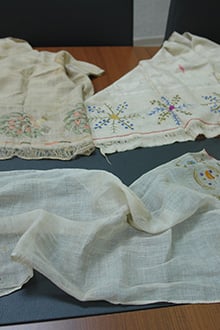
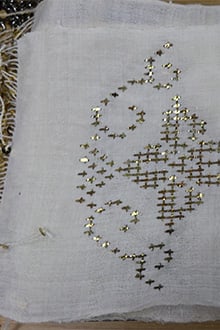
Ankara sof fabric is one of the city’s most deeply rooted textile heritages. Known for its fine texture, lightness, and durability, sof fabric was historically used in palace circles and refined clothing traditions. The production of sof is regarded as a symbol of Ankara’s weaving heritage.
Ankara Mohair
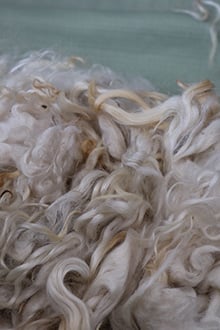
Ankara mohair is one of the rare natural fibers that has gained worldwide recognition. Obtained from the Ankara goat, its luster, softness, and long fiber structure form the foundation of quality and elegance in textile products. For centuries, mohair has also played an important role in Ankara’s commercial life.
Nallıhan Coverings
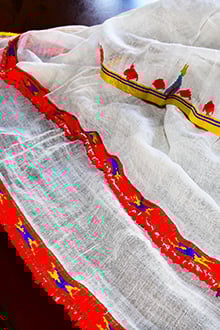
Nallıhan coverings stand out with their colorful patterns and distinctive weaving technique. Used in a wide range of contexts from daily life to ceremonial occasions, these textiles reflect elements of the region’s natural environment and way of life.
Nallıhan Needle Lace
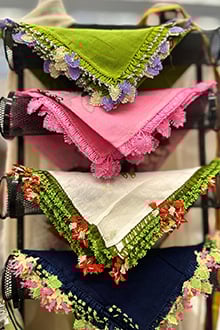
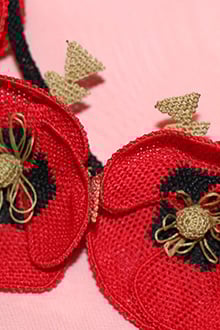
Nallıhan needle lace is a traditional decorative art that requires patience and skill. Inspired by nature, emotions, and everyday life, these delicate laces represent an elegant handicraft passed down through generations.
Felt Making
Felt making is known for producing durable and functional items created through the processing of natural materials such as wool and mohair. Felt has held an important place both in daily life and in traditional architecture and clothing culture.
Silver Filigree Craftsmanship
Silver filigree craftsmanship reflects Ankara’s artisanal tradition through its intricate designs shaped from fine silver wires. Ranging from jewelry to decorative objects, this craft represents a special field of production where mastery and aesthetic sensibility come together.
Ankara White Roasted Chickpeas
Ankara white roasted chickpeas are known for their large grains, light color, and distinctive flavor. Produced by carefully roasting selected chickpeas using traditional methods, this product holds a special place in Ankara’s snack culture. With its simple and natural taste, it stands out both in everyday consumption and among regional products.
Beypazarı Dry Biscuit
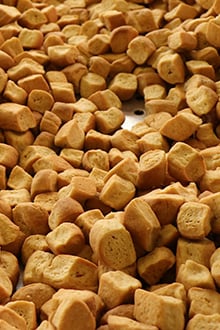
One of the district’s most well-known and long-established flavors, the Beypazarı dry biscuit is distinguished by its hard texture and long shelf life. Historically prepared for journeys and long winter days, it is today one of the symbolic products representing Beypazarı’s gastronomic identity.
Beypazarı Carrot Delight
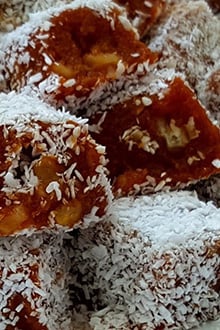
Beypazarı carrot delight is a unique confection made from carrots grown in the district. With its natural color and balanced sweetness, it offers a local interpretation of traditional Turkish delight and reflects the character of Beypazarı cuisine.
Hamamönü
Hamamönü draws attention not only with its architecture but also with the decorative items produced there. Crafted from materials such as wood, ceramic, metal, and glass, these products carry traces of Ankara’s domestic culture, traditional motifs, and everyday life of the past. Hamamönü decorative items stand out as distinctive souvenirs that bring together craftsmanship and aesthetic value.
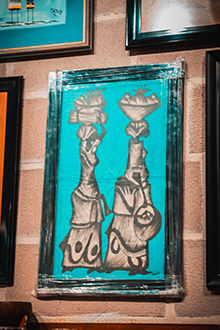
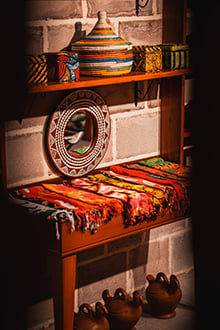
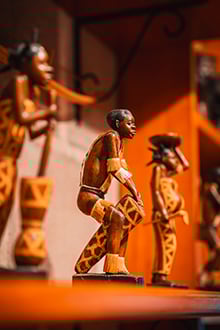
African Culture House
Africa, with its young population, rich natural resources, and dynamic social fabric, is poised to become an increasingly visible and influential actor in the international system in the second half of the 21st century. Türkiye conducts its relations with African countries on the basis of mutual understanding and respect, within a framework of equal partnership and shared humanitarian values. Continuing to share its historical experience and institutional know-how with African countries and their peoples, Türkiye develops its relations with the continent through a multidimensional and inclusive perspective.
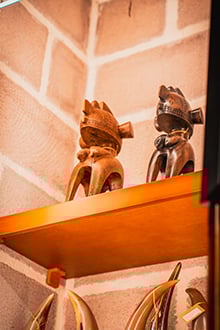
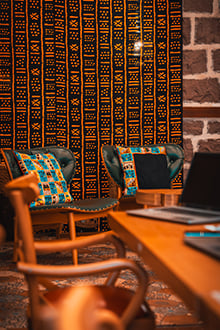
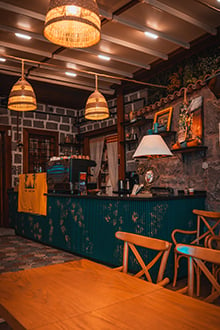
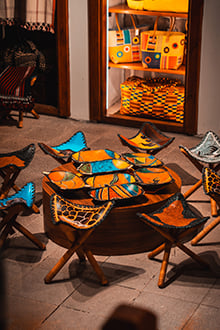
One of the most tangible and humane reflections of this approach on the ground has been the establishment of the African Culture House, which aims to ensure that products handcrafted by African women find fair value through an equitable platform. This initiative took shape in line with the vision of Mrs. Emine Erdoğan, the First Lady of Türkiye, who closely witnessed women’s production processes, labor, and life struggles during her visits to Africa. Launched in 2016, the African Culture House represents a humane understanding of solidarity that makes the value of labor visible while prioritizing the dignity of producers and their sustainable livelihoods.
Established in Ankara with the support of the Ministry of Foreign Affairs, the Ministry of Culture and Tourism, and relevant institutions, the Africa Handicrafts and Culture House represent the institutional realization of this vision. Operating through an inclusive and people-centered cooperation model that brings together public institutions, the private sector, and civil society in Türkiye, the African Culture House stands out as a meaningful initiative that embodies sensitivity to the social and economic challenges faced by African women, as well as a spirit of solidarity and brotherhood, without discrimination based on language, religion, or ethnic origin.